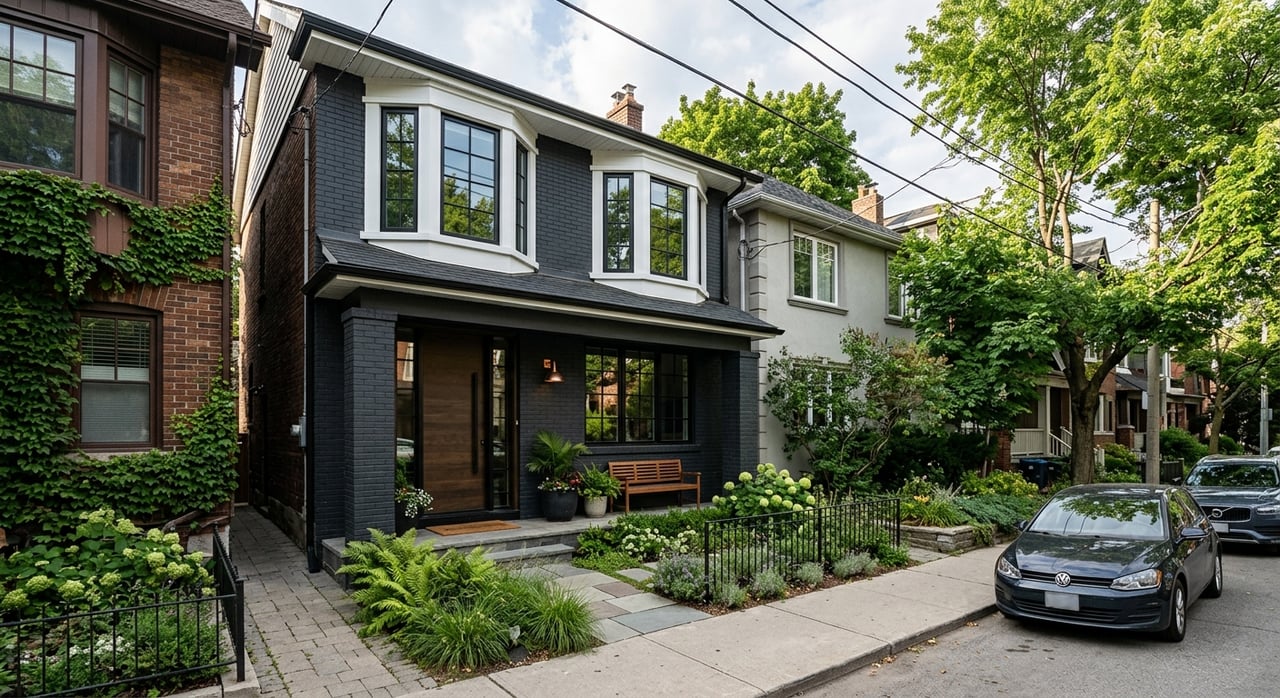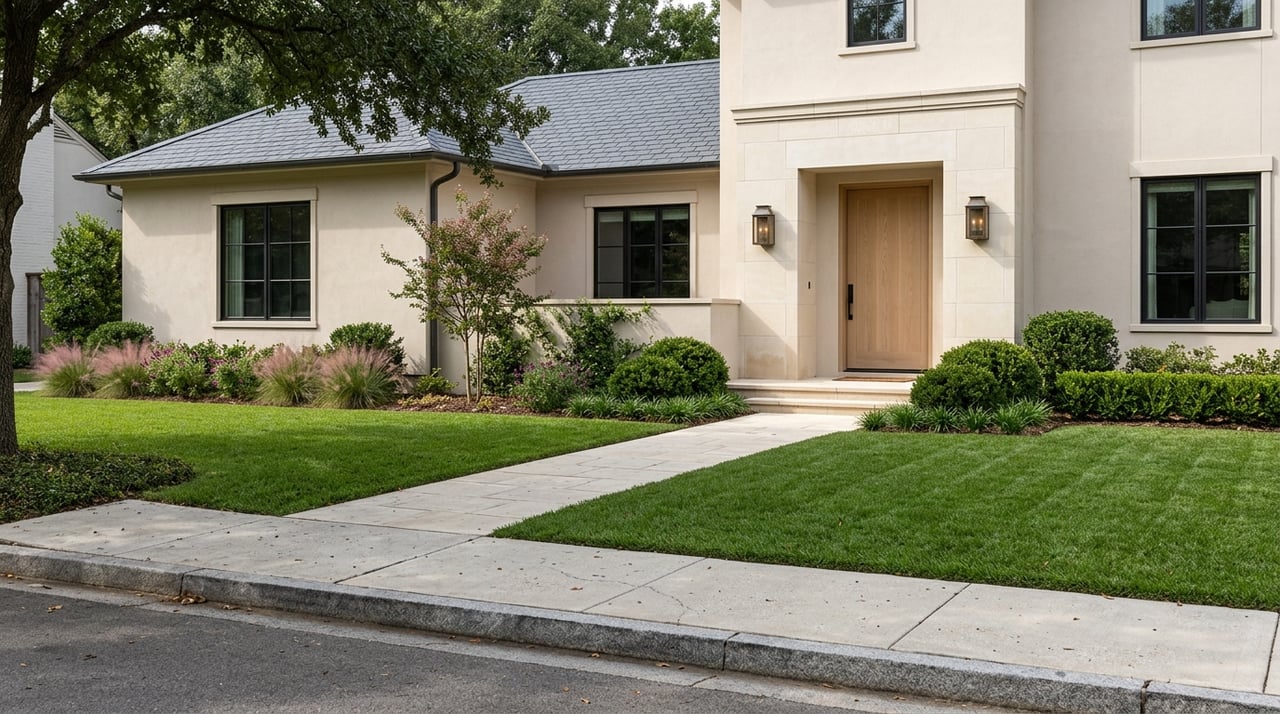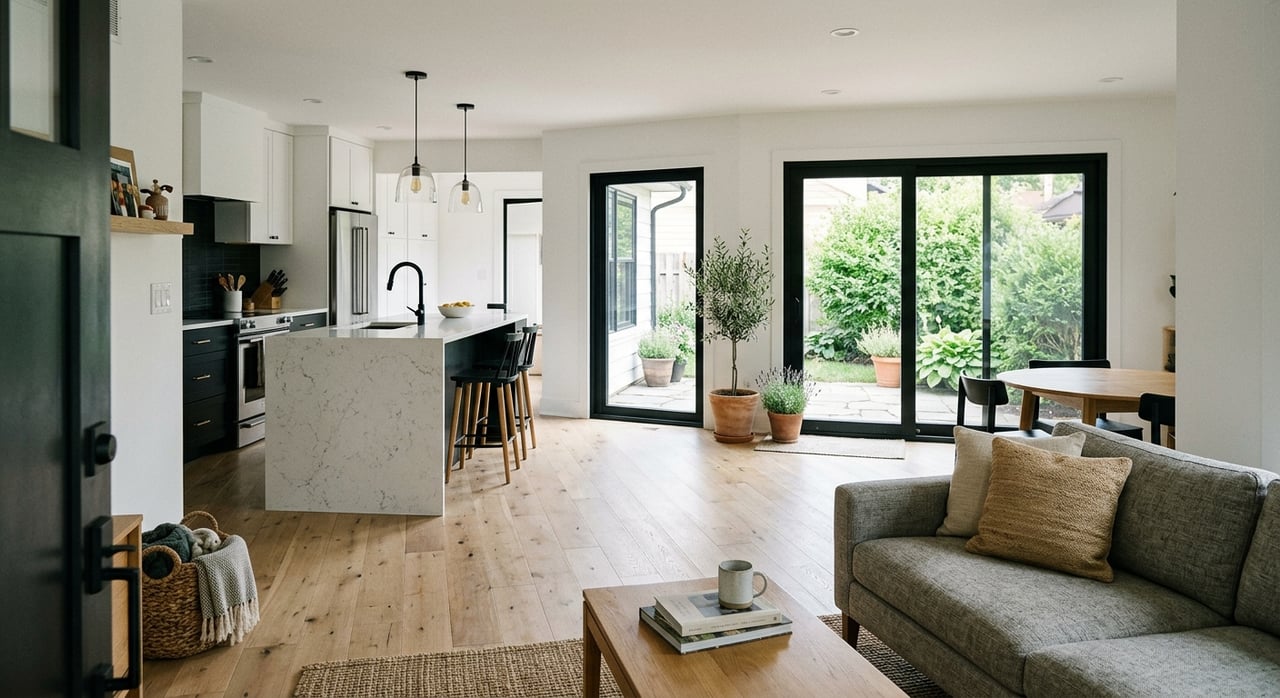
Buying your first home in Keller can feel like a big leap, especially when prices, neighborhoods, and next steps all seem to move at once. If you want a clear plan instead of guesswork, you are not alone. The good news is that with the right preparation, you can move through the process with confidence and avoid common first-time buyer mistakes. Let’s walk through it step by step.
Understand the Keller market first
Before you look at homes, it helps to know what kind of market you are entering. Keller is a largely owner-occupied city, with the U.S. Census reporting an 83.5% owner-occupied housing rate. That tells you many buyers here are looking for a long-term place to live, not just a short-term stop.
Pricing also matters for your expectations. Recent market snapshots put Keller home values and sale prices in the mid-$600,000s, while Realtor.com reported a median listing price of $749,950 in April 2026. At the same time, current listings show a broad range, with examples roughly from $350,000 to $750,000, so there is not one single “starter home” price point in Keller.
That range is important for first-time buyers. It means your strategy should focus less on averages and more on the specific type of home, lot size, and location that fit your budget and goals.
Step 1: Set a realistic budget
Your first move is to figure out what you can comfortably afford each month, not just what you hope to spend. A lender will look at your income, credit, debts, savings, and your ability to cover the mortgage along with taxes, insurance, closing costs, moving costs, repairs, and possible home improvements.
This is where discipline matters. If you are planning to buy soon, avoid taking on a new car loan or making large credit card purchases in the months before you apply. Keeping your finances steady can make your loan application stronger and help protect your buying power.
For buyers in Keller, property taxes should be part of your budget from day one. Texas property taxes can have a real impact on monthly affordability, so it is smart to account for them early instead of treating them as an afterthought.
Step 2: Get preapproved before touring homes
A preapproval letter helps you understand your shopping range and shows sellers you are serious. In a market like Keller, where well-priced homes can still attract attention, that preparation can help you move faster when the right home appears.
Just remember that preapproval is a starting point, not your finish line. It does not lock you into one lender, and you can still compare official Loan Estimates after you have a home under contract.
This step also helps you set practical search boundaries. If Keller homes vary widely by price, lot size, and neighborhood style, knowing your range upfront keeps you focused on homes that truly fit your budget.
Step 3: Explore Keller neighborhoods carefully
Not every part of Keller feels the same, and that is one of the biggest things first-time buyers should understand. The city’s land-use plans show everything from estate-style residential areas with minimum lot sizes of two acres to more compact neighborhoods with lots in the 3,000 to 8,399 square foot range.
The northern half of Keller, especially north of Johnson Road, is described by the city as having more low-density ranchette development on five- to ten-acre lots. In other parts of Keller, especially south of Johnson Road, you may find more medium-density neighborhoods, and newer higher-density development is also part of the city’s housing mix.
You may also come across patio home, town center, Old Town Keller, duplex, and townhome areas in certain parts of the city. That means your day-to-day experience can vary a lot depending on where you buy, even within the same city.
What to compare as you tour
When you visit homes, look beyond the kitchen and paint colors. Pay attention to:
- Lot size
- Street layout and traffic flow
- Sidewalks and trail access
- Proximity to parks or mixed-use areas
- HOA rules, if applicable
- The overall feel of the surrounding homes and development pattern
Keller listings currently show lot examples around 4,487, 5,001, 7,623, 8,276, 8,451, 8,625, 8,799, and 8,843 square feet, so even among more typical neighborhoods, lot sizes can differ quite a bit.
Step 4: Learn what assistance may be available
If you are a first-time buyer in Keller, Texas state programs may be worth reviewing. The Texas Department of Housing and Community Affairs offers My First Texas Home, which includes down payment assistance and 30-year low-interest mortgage options for qualifying first-time homebuyers.
There is also My Choice Texas Home, which offers similar assistance without requiring you to be a first-time buyer. If you use one of these programs, an approved homebuyer education course is required.
Programs like these do not fit every buyer, but they can make a meaningful difference if down payment or upfront cash is one of your biggest hurdles.
Step 5: Make a smart offer
Once you find the right home, your offer needs to match both the property and the market. Keller has recently been described as a buyer’s market, with Realtor.com reporting 225 active listings, a median of 38 days on market, and a 94% sale-to-list ratio in April 2026.
That data suggests buyers may have some room to negotiate in many situations. On average, homes were selling about 5.5% below asking, but that does not mean every seller will respond the same way. A well-priced home in a highly desirable pocket may still require quick, decisive action.
Earnest money is also part of the conversation. Fannie Mae notes that earnest money is typically about 1% to 3% of the offer price, though the exact amount depends on the deal.
What your offer may include
A purchase offer can include more than just price. It can also cover:
- Earnest money amount
- Financing terms
- Option and inspection timing
- Closing timeline
- Other contract terms the parties agree on
The seller can accept, reject, or counter your offer. Once all parties sign and the contract is delivered, the agreement becomes binding.
Step 6: Schedule your inspection quickly
After your offer is accepted, move quickly on the inspection. An independent home inspection helps you understand the condition of the property and spot issues that may not be obvious during a showing.
If possible, attend the inspection. This gives you a chance to ask questions in real time and better understand how the home’s systems and components work.
The inspection is also your chance to make informed decisions. Depending on the contract, you may be able to negotiate repairs or even cancel without penalty if the inspection reveals major concerns.
Inspection and appraisal are not the same
Many first-time buyers mix these up, but they serve different purposes. The inspection is for you, while the appraisal is for the lender.
The inspection looks at the home’s condition. The appraisal helps the lender confirm the property’s value in relation to the loan.
Step 7: Stay steady through closing
The final stretch is where many buyers get tired, but it is also where discipline matters most. Before closing, your lender may ask for additional documents, and you will need to complete the remaining steps tied to the inspection, appraisal, and insurance.
This is not the time for big financial changes. Avoid major purchases before closing, and stay alert for mortgage-closing scams or suspicious wiring instructions.
If you stay organized and responsive, the closing process becomes much more manageable. Clear communication and fast follow-through can keep the deal on track.
Step 8: File your homestead exemption
After you move into your Keller home as your primary residence, do not skip the homestead exemption step. In Texas, school districts must provide a $140,000 residence homestead exemption, and you file the application with the appraisal district in the county where the home is located.
For a home in Keller, that step can make a meaningful difference in long-term affordability because it reduces taxable value on your residence homestead. It is one of the simplest post-closing actions you can take to protect your monthly budget over time.
A simple Keller first-time buyer checklist
If you want to keep the process organized, here is a simple roadmap:
- Review your income, debts, savings, and monthly comfort level.
- Get preapproved and define your true price range.
- Explore Keller neighborhoods with lot size and lifestyle in mind.
- Review possible Texas down payment assistance options.
- Make an informed offer based on the home and market conditions.
- Schedule your inspection right away.
- Stay financially steady through closing.
- File your homestead exemption after move-in.
Buying your first home in Keller is a big decision, but it does not have to feel overwhelming. When you break the process into clear steps and stay focused on what fits your budget, priorities, and timeline, you put yourself in a much stronger position to make a smart move.
If you want step-by-step guidance, honest feedback during tours, and clear communication from start to finish, Nathan Karns is here to help you move forward with confidence.
FAQs
What price range should first-time buyers expect in Keller?
- Recent Keller market data shows a wide range rather than one standard starter-home price, with examples roughly from $350,000 to $750,000 and broader market metrics landing in the mid-$600,000s.
What does preapproval do for Keller home buyers?
- A preapproval letter helps you understand your shopping budget and shows sellers you are serious, which can help when you find a well-priced home and need to act quickly.
What should first-time buyers compare between Keller neighborhoods?
- You should compare lot size, housing density, sidewalks, trails, nearby amenities, HOA rules if applicable, and the overall development pattern, since Keller includes everything from larger ranchette areas to more compact neighborhoods.
What is earnest money when buying a home in Keller?
- Earnest money is part of your offer that shows good faith, and Fannie Mae notes it is typically around 1% to 3% of the offer price.
What should buyers do after closing on a primary residence in Keller?
- If the home is your primary residence, you should file for the homestead exemption with the county appraisal district because it can reduce taxable value and improve long-term affordability.