If you’re deciding between a newer build and an established home in Colleyville, you’re not just choosing a house style. You’re choosing how you want to live day to day, how much control a neighborhood may have over exterior changes, and how much update planning you want to take on over time. In a market known for long-term ownership, large lots, and a polished residential feel, that decision deserves a clear strategy. Let’s dive in.
Why Colleyville Is Different
Colleyville does not fit the typical suburban pattern where newer homes sit in large-scale new subdivisions and older homes sit in fully built-out neighborhoods with very different price points. The city’s planning framework emphasizes high-quality residential development, large lots, natural settings, and a rural feel. It also limits residential density to a maximum of 1.8 dwelling units per net acre.
That matters because newer construction in Colleyville is usually limited, custom, and carefully controlled. Established homes are also often custom, but they tend to sit in mature neighborhoods with more established landscaping and streetscapes. In other words, this is less about “basic new vs. old” and more about custom convenience vs. established character.
Colleyville also stands out as a premium ownership market. The city has a 96.7% owner-occupied housing rate, a median household income of $218,328, and a median value of owner-occupied homes of $784,900. That points to a market where many buyers are thinking long term.
What Newer Builds Look Like
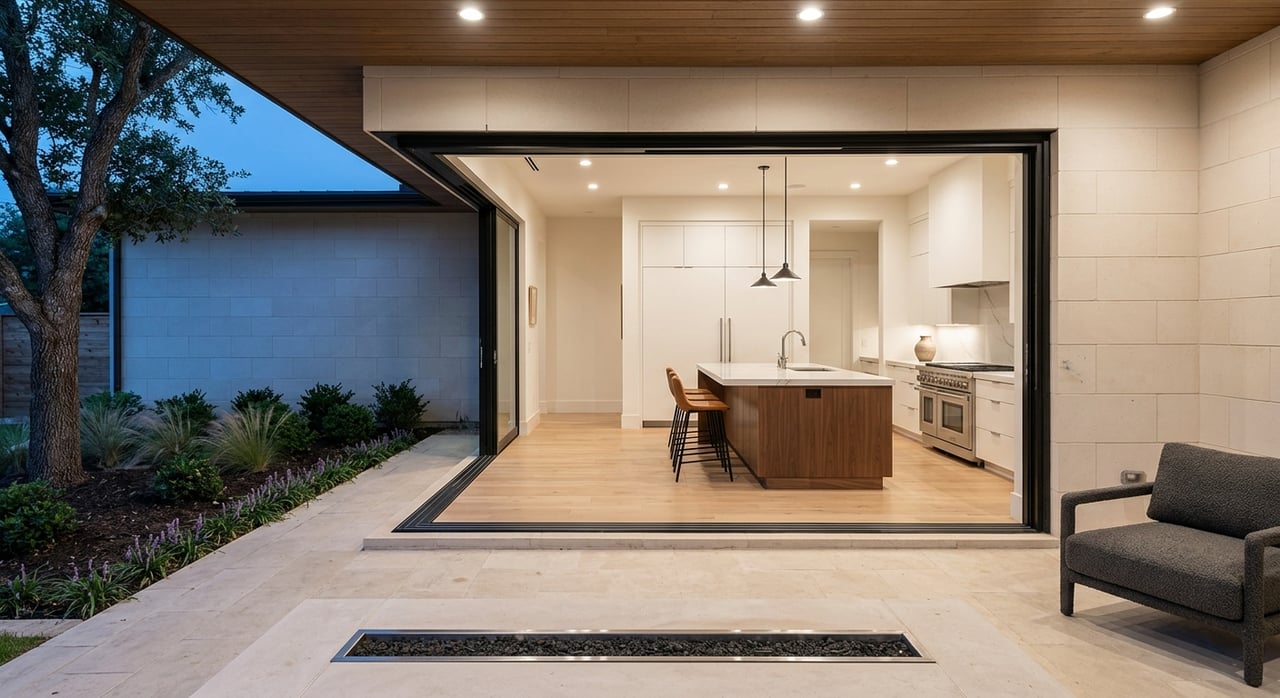
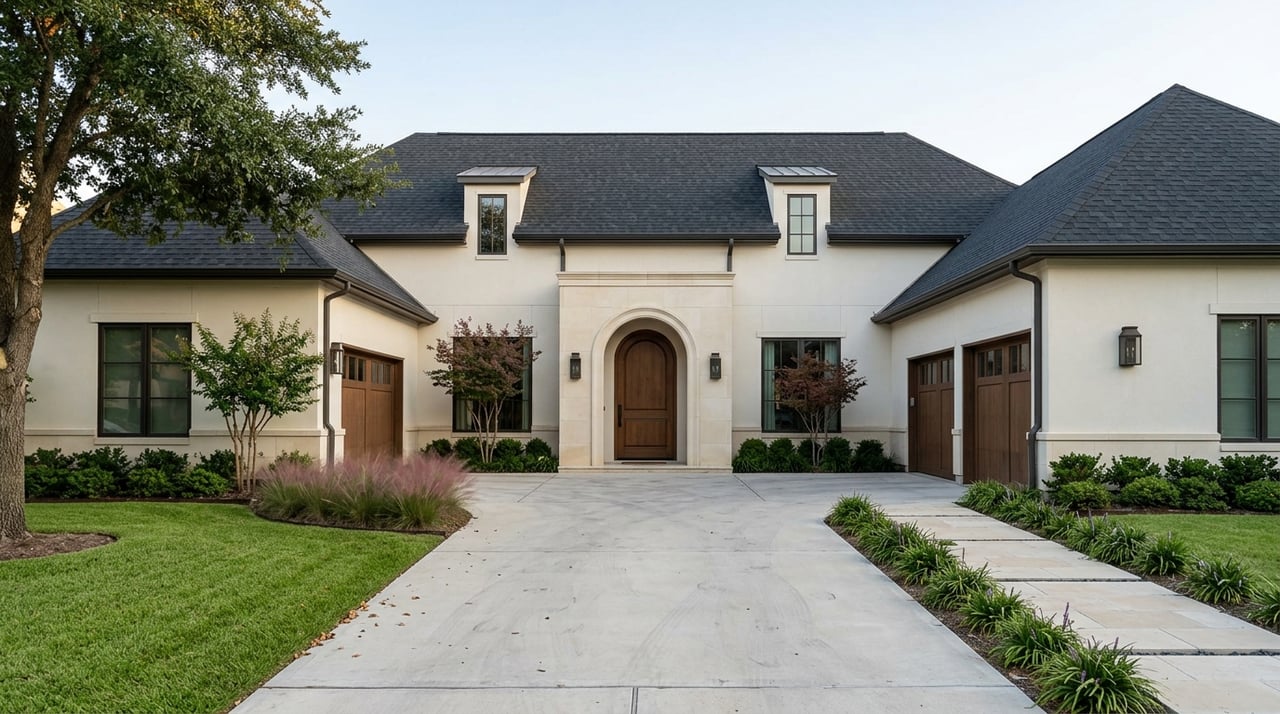
In Colleyville, newer-build options are often small luxury enclaves rather than broad master-planned communities. That means inventory is limited, and each opportunity can feel more tailored than what you may see in other parts of DFW.
For example, The Bluffs is described as a 9-lot luxury development with estate-size lots from 1.00 to 1.15 acres, a gated entry, a 5,000-square-foot minimum home size, and a strict architectural approval process. Oak Alley is a 34-lot gated community on 43 acres, with lots ranging from 0.5 to 1.5 acres, a 4,300-square-foot minimum home size, and an estimated HOA fee of $3,300 per year.
The takeaway is simple. Newer Colleyville homes usually offer customization and a polished finish from day one, but they are often part of a more controlled ownership environment.
Benefits of Newer Builds
A newer home can make sense if you want fewer immediate projects after closing. You may also prefer a floor plan that reflects more current design preferences, along with the chance to choose finishes or layout details depending on the stage of construction.
For relocation buyers or busy professionals, that can be a major advantage. If your goal is to move in and focus on work, family, or daily routine instead of planning updates, a newer custom home may offer the cleaner path.
Tradeoffs to Expect
The biggest tradeoff is usually inventory. Colleyville’s newer-home supply is much smaller than in many neighboring suburban markets, so your choices may be narrower in terms of timing, lot availability, or design flexibility.
You should also expect tighter architectural controls. In communities like Oak Alley, exterior improvements require approval by an architectural committee, and newer developments often include deed restrictions and HOA oversight from the start. If you value flexibility in future exterior changes, that deserves close review before you buy.
What Established Homes Offer
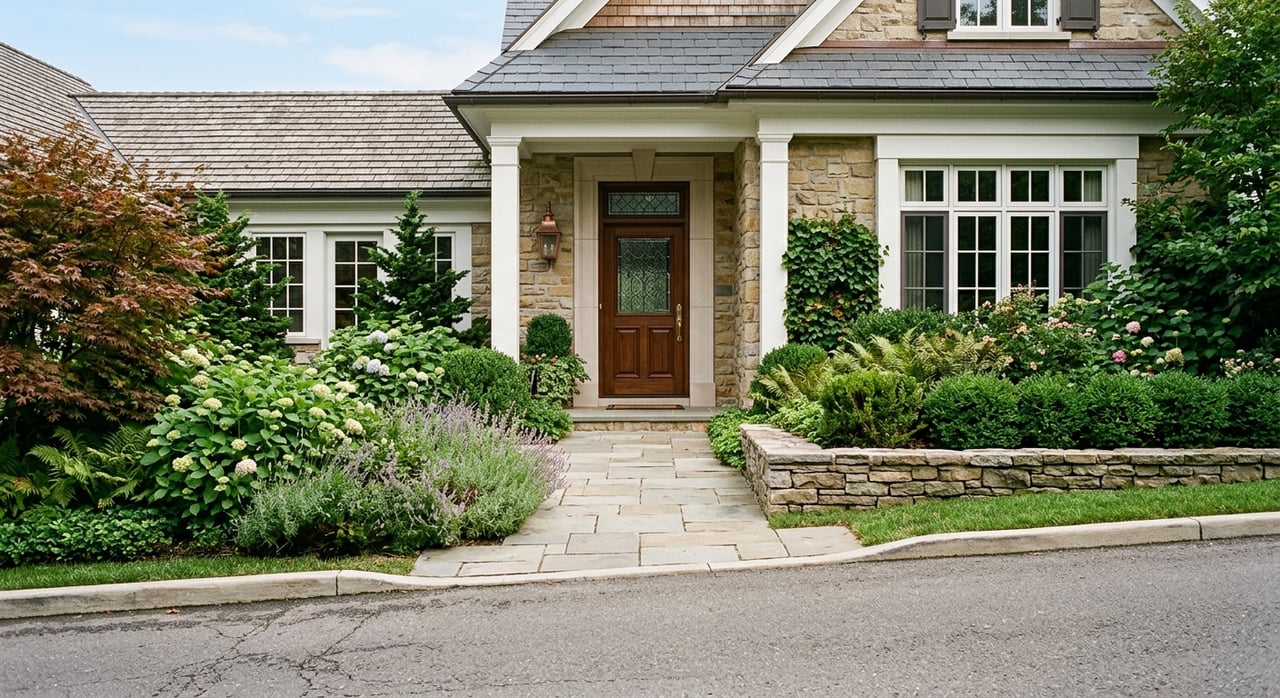
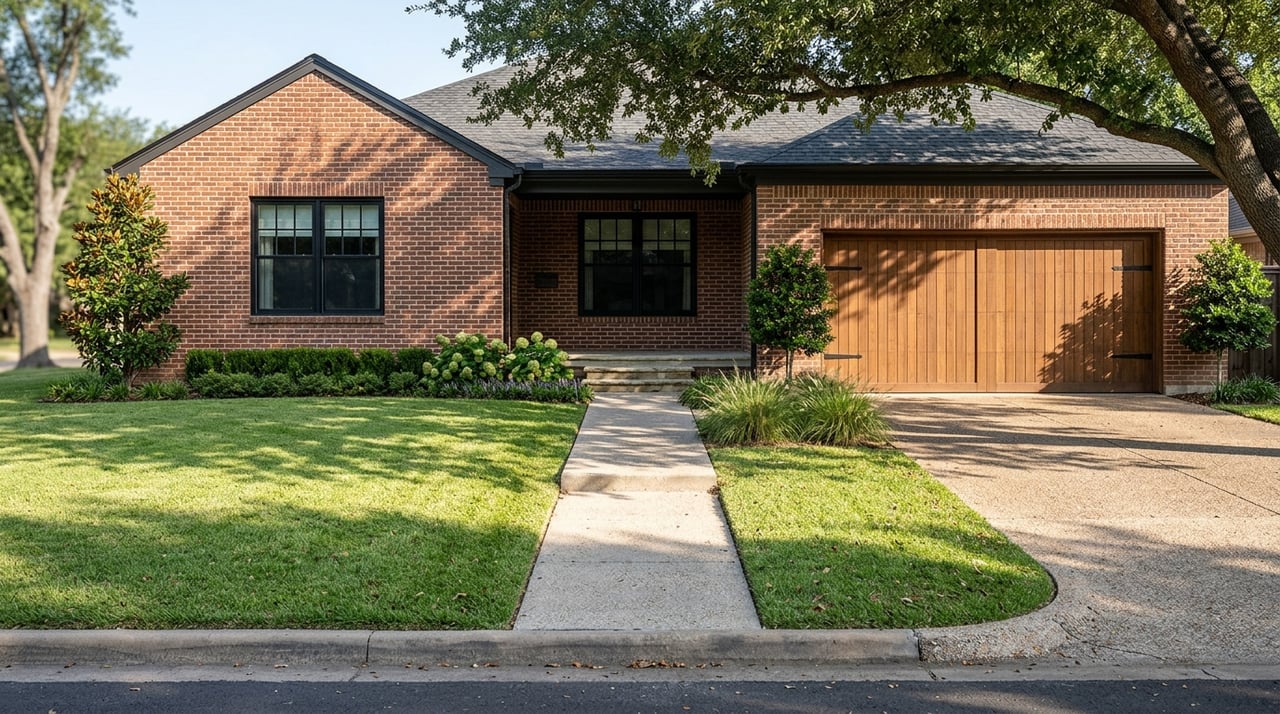
Established Colleyville neighborhoods show a different side of the market. These areas often feature mature trees, settled streets, and custom homes built decades ago, which can create a stronger sense of neighborhood continuity.
Brook Meadows includes 147 custom homes built in the late 1980s, with most homes on about half-acre lots, mature trees, and a homeowner-run HOA. Summertree includes 97 homes and highlights parks, trails, five ponds, walking paths, century-old oak trees, and six acres of private parks. Residents there are noted to have lived in the neighborhood since the early 1990s.
That kind of longevity tells you something important. Established neighborhoods in Colleyville are often places where owners stay for years, maintain their homes, and invest in the look and feel of the community over time.
Benefits of Established Homes
If you love mature landscaping, established trees, and a more finished streetscape, older neighborhoods may be the better fit. These areas often feel settled in a way that newer enclaves cannot replicate right away.
You may also find more opportunity to personalize the home over time. If you are comfortable with updates and like the idea of improving a property to match your preferences, an established home can create that path.
Tradeoffs to Expect
Older homes typically come with more planning for capital items and updates. Homes built in the late 1980s or early 1990s may require periodic attention over time, even when they have been well maintained.
That does not mean an established home is the wrong choice. It just means you should go in with a clear mindset about maintenance, renovations, and what level of work you want to take on in the first few years.
HOA Rules Matter More Here
One of the biggest differences between newer and established homes in Colleyville is not always the age of the home. It is often the ownership structure around the home.
The City of Colleyville notes that new-development deeds almost always include CC&Rs, and HOAs typically manage property-use rules and common-area maintenance fees. In newer communities, that can mean more formal review of exterior changes and a more structured approach to neighborhood appearance.
Established neighborhoods can still have meaningful rules. Brook Meadows is run by homeowners, while Summertree provides bylaws, deed restrictions, project-approval forms, and roof-approval forms. So even in older neighborhoods, exterior upkeep and approval processes can play a real role in your ownership experience.
Before you decide, compare more than lot size and square footage. Review how each neighborhood handles:
- Exterior improvement approvals
- Roof or project review requirements
- Annual HOA dues
- Common-area maintenance responsibilities
- Overall expectations for curb appeal and upkeep
In Colleyville, those details are not minor. They can shape how easy or restrictive ownership feels after closing.
Convenience Versus Character
For many buyers, the real choice comes down to convenience versus character. Newer homes tend to offer a smoother near-term ownership experience, especially if your priority is avoiding immediate renovation work.
Established homes often offer mature surroundings and a more settled visual feel. If you value large trees, long-developed landscaping, and neighborhood identity, that may outweigh the extra planning that older construction can require.
Neither option is automatically better. The better choice is the one that matches your timeline, comfort with maintenance, and preferences for neighborhood structure.
Questions to Ask Before You Choose
A disciplined home search usually gets better when you narrow the decision with a few practical questions. In Colleyville, these can help you decide faster and with more confidence.
How Much Work Do You Want After Closing?
If you want the fewest immediate repair or update projects, a newer custom home may fit better. If you are open to updating over time, an established home may give you more room to shape the property around your taste.
How Important Is Mature Landscaping?
Some buyers care deeply about established trees, ponds, trails, and a streetscape that already feels complete. In neighborhoods like Brook Meadows and Summertree, that can be one of the biggest draws.
Are You Comfortable With Design Controls?
Newer enclaves often come with stricter architectural approval processes. Established neighborhoods may still have approval requirements, but the style of governance can feel different depending on whether the HOA is builder-driven or homeowner-run.
What Is the Full Cost of Ownership?
Do not stop at the purchase price. Compare HOA dues, likely update timelines, and the practical cost of keeping the property aligned with neighborhood standards.
Do You Need to Verify School Assignment by Address?
If school assignment is part of your move, Grapevine-Colleyville ISD says attendance-area maps should be checked by address before making a final decision. That step matters because assumptions based on neighborhood name alone can lead to mistakes.
A Smart Way to Approach Colleyville
The best way to shop this market is to stay focused on fit, not just age. In Colleyville, a newer build may offer luxury, customization, and fewer early projects, but often with tighter controls and limited supply.
An established home may offer lot maturity, neighborhood character, and long-term personalization potential, but with more attention needed for upkeep and future updates. When you compare those factors side by side, the right choice usually becomes much clearer.
If you want help sorting through Colleyville’s smaller newer-build inventory, established neighborhood options, and the real-world tradeoffs between them, Nathan Karns can help you build a clear plan and move forward with confidence.
FAQs
What makes newer builds in Colleyville different from other DFW suburbs?
- Newer builds in Colleyville are usually small custom enclaves with limited inventory, large lots, and stronger architectural controls rather than large-scale tract developments.
What are the main benefits of established homes in Colleyville?
- Established homes often offer mature trees, more settled streetscapes, custom construction, and the opportunity to update the home over time to match your preferences.
Do newer and older Colleyville neighborhoods both have HOA rules?
- Yes. Newer developments often have formal deed restrictions and architectural review, while established neighborhoods may also have bylaws, deed restrictions, and project approval requirements.
How should you compare newer builds and established homes in Colleyville?
- Compare customization, immediate repair needs, landscaping maturity, HOA dues, approval rules, and your comfort level with future updates rather than looking only at price or home age.
Should you verify school assignment for a Colleyville home before buying?
- Yes. If school assignment matters to your move, Grapevine-Colleyville ISD says attendance-area maps should be checked by address before a final decision is made.