If you are looking at University Park as an investment play, the first question is simple: are you buying for monthly cash flow, or are you buying for long-term position? That distinction matters here more than in most Dallas-area markets. In University Park, the numbers point to a premium, supply-constrained market where location and resale quality often matter more than immediate yield. Let’s dive in.
Why University Park stands out
University Park is not a typical rental market in the Dallas area. It is a small, built-out city about five miles north of downtown Dallas, with more than 7,000 homes packed into just 3.69 square miles. That limited footprint helps explain why inventory stays tight and why buyers often view the area as a long-term hold rather than a quick-return opportunity.
The local housing profile also looks very different from many investor-heavy markets. Census QuickFacts for 2025 shows a population of 25,323, an owner-occupancy rate of 83.2%, and 85.8% of residents living in the same house one year ago. Those numbers suggest stability, but they also signal a smaller pool of properties that naturally fit a pure rental strategy.
University Park investment math
If you want a quick first-pass screen, University Park does not lead with cash flow. Zillow’s April 2026 data shows a typical home value of $2,461,469 and an average asking rent of $4,669. On a rough gross rent yield basis, that works out to about 2.3%, which is far below Dallas, Irving, and Plano on the same simple screen.
That does not mean the market is weak. In fact, Zillow shows University Park home values up 6.9% year over year, while Dallas, Plano, and Irving all posted declines on that same measure. The takeaway is that University Park behaves more like a premium asset market than a high-yield rental market.
A rough return screen
Here is a simple way to think about the market based on the research data:
| Market | Typical Home Value | Avg. Asking Rent | Rough Gross Yield |
|---|---|---|---|
| University Park | $2,461,469 | $4,669 | 2.3% |
| Dallas | $311,957 | $1,631 | 6.3% |
| Plano | $507,575 | $1,696 | 4.0% |
| Irving | $344,888 | $1,586 | 5.5% |
This is not a cap rate, and it does not include taxes, insurance, maintenance, vacancy, or financing. It is just a fast way to see that University Park usually requires a different investment thesis.
Carrying costs matter here
One of the biggest underwriting mistakes in University Park is focusing on rent potential without fully stress-testing carrying costs. Dallas Central Appraisal District lists the 2025 University Park/Highland Park ISD aggregate tax rate at 1.587340 per $100 of taxable value. Applied to Zillow’s typical home value, that implies roughly $39,072 per year in property taxes before exemptions.
That tax rate itself is not the highest in the region. The challenge is the much higher purchase basis. Even if the rate is moderate compared with some nearby markets, the dollar cost to hold the property is substantial because the asset price is so high.
The City of University Park says about 14% of the total property tax bill goes to the city, with about 53% going to HPISD and about 33% to Dallas County. For an investor, this means tax planning needs to be part of the analysis from day one. If your margins are already thin, taxes can quickly turn a decent-looking deal into a weak one.
What drives demand in University Park
Demand in University Park is tied less to low-cost rent and more to location, scarcity, and long-term desirability. The city highlights access to Southern Methodist University, the George W. Bush Presidential Center, Snider Plaza, Preston Center, and broader Dallas employment and cultural destinations. That central location gives the market a level of durability that many outer-ring areas do not have.
The area also benefits from Highland Park ISD, which serves University Park through eight campuses and about 6,300 students. From an investment standpoint, it is more accurate to say that many buyers place value on the district and the University Park address than to assume the market behaves like a broad student-rental zone.
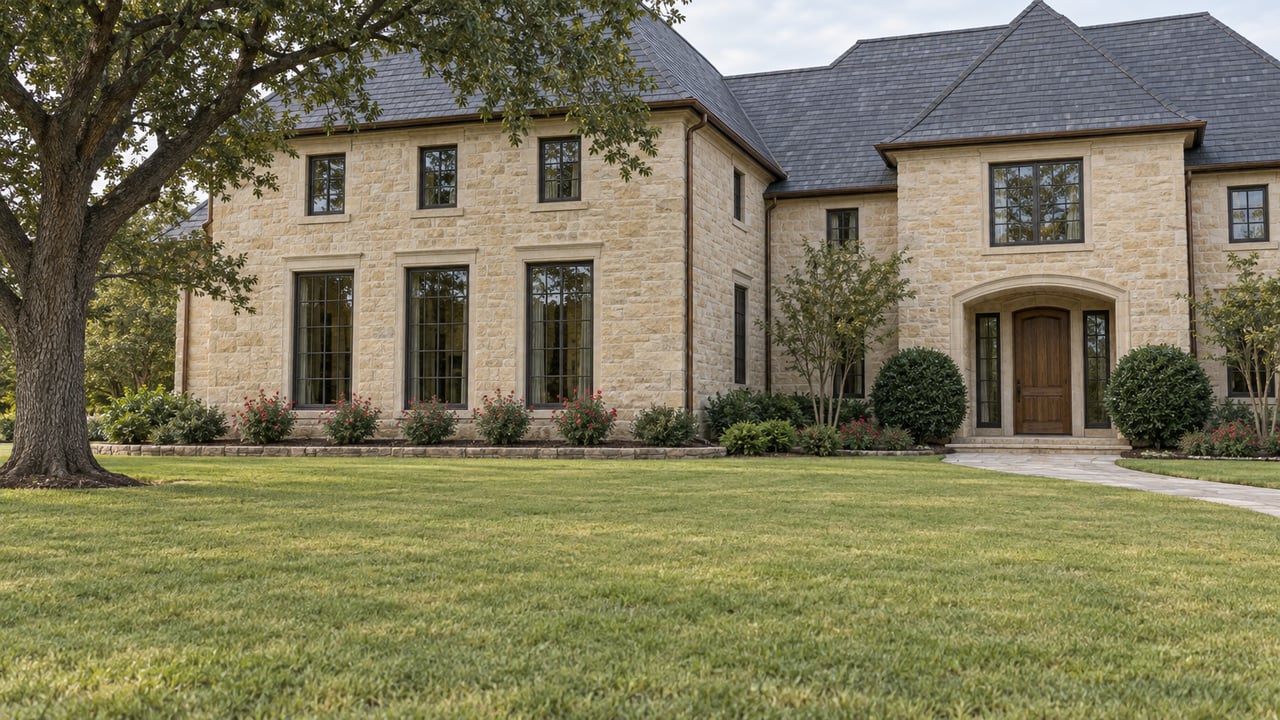
That is an important distinction. While there is some attached and rental-oriented inventory around SMU, the broader market appears to be dominated by higher-end single-family homes and high owner occupancy. In practical terms, the demand base is premium, but narrower.
Inventory is limited, but so are easy deals
Zillow’s April 2026 data shows 59 homes for sale and 28 new listings in University Park. That gives buyers some options, but it is still a very thin listing pool compared with larger Dallas-area submarkets. Thin inventory can support pricing over time, but it can also make it harder to find a property that pencils well.
In a market like this, you usually are not chasing volume. You are looking for a property with strong resale appeal, durable location advantages, and a purchase price that leaves room for your broader strategy. That strategy may be long-term appreciation, wealth preservation, occasional leasing flexibility, or a future owner-occupant exit.
Best investment strategies for University Park
For most buyers, University Park works best when you treat it as a quality-first market. That means your plan should be built around asset selection and downside protection rather than squeezing out the highest monthly return.
Strategy 1: Buy for long-term appreciation
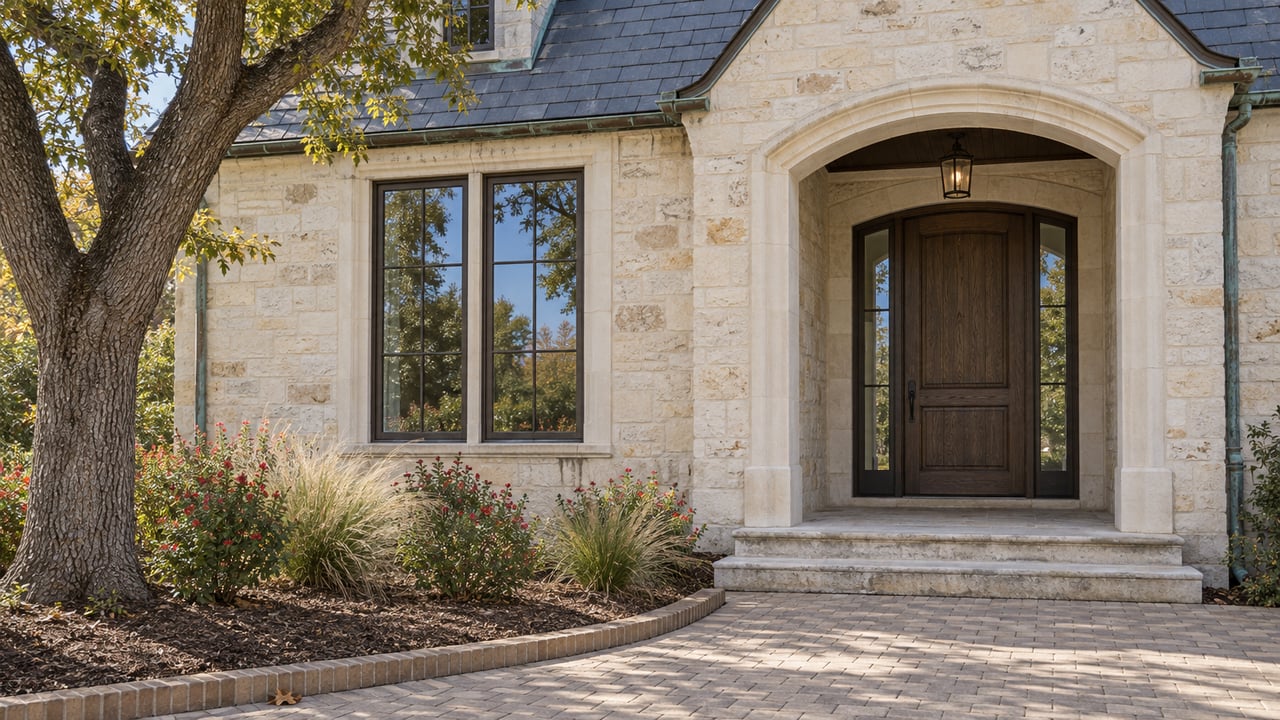
University Park’s strongest case is long-term scarcity. The city is small, built out, and highly owner occupied. Those factors can support value over time, especially when paired with a central Dallas location and a premium address.
If this is your angle, focus on homes with lasting appeal instead of trendy upgrades that may date quickly. Layout, lot utility, curb appeal, and broad buyer demand matter more in an expensive market where your future buyer may be an owner-occupant rather than another investor.
Strategy 2: Prioritize resale quality
The most likely exit in University Park is a resale to an owner-occupant or a long-term holder. Because of that, your underwriting should include a clear answer to this question: if market conditions soften, would this home still stand out to a future buyer?
That means paying close attention to location within the city, functional floor plan, property condition, and overall presentation. In premium neighborhoods, small differences in product quality can matter a lot on exit.
Strategy 3: Use conservative rent assumptions
The average asking rent of $4,669 sounds strong at first glance. But against a typical value above $2.4 million, it does not automatically create attractive cash flow. If you plan to lease the property, use conservative assumptions for vacancy, maintenance, taxes, and turnover.
This is especially important if you are stretching on acquisition price. A premium rent market can still produce thin operating margins when the carry costs are high.
How University Park compares with other DFW options
If your top goal is cash flow, University Park likely will not be your best first choice in the Dallas area. Dallas, Irving, and Plano all show materially stronger rough gross yields on the research screen. They also offer much deeper inventory, which can make sourcing easier and improve your odds of finding a property that fits a tighter return target.
University Park is more appealing if your goals include capital preservation, quality of location, and a likely owner-occupant exit path. In other words, this is not usually the market where you hunt for the biggest spread between rent and price. It is the market where you pay for scarcity, prestige, and long-term positioning.
A smart way to evaluate a deal
If you are serious about buying in University Park, keep your evaluation process disciplined. Premium markets can make a property feel like a safe bet, but the numbers still have to support your plan.
Use this checklist when reviewing an opportunity:
- Define your goal first: cash flow, appreciation, resale quality, or flexible personal use
- Underwrite property taxes carefully based on the likely taxable value
- Use conservative rent projections rather than optimistic best-case assumptions
- Estimate maintenance and turnover at a level that fits a higher-end home
- Consider who your likely future buyer will be
- Compare the same capital against other DFW submarkets before making a final decision
That last step matters. Sometimes the best investment decision is not whether University Park is good or bad. It is whether University Park is the best fit for your specific strategy.
If you want help pressure-testing a University Park investment, comparing it with other DFW opportunities, or finding a property that fits your goals, connect with Nathan Karns. He brings a disciplined, data-driven approach to helping buyers and investors make confident decisions in competitive markets.
FAQs
Is University Park, TX a good market for rental cash flow?
- Usually not on a simple first-pass screen. Based on the research data, University Park shows a rough gross rent yield of about 2.3%, which is lower than Dallas, Plano, and Irving.
What makes University Park investment properties different from other Dallas-area options?
- University Park is a premium, supply-constrained market with high owner occupancy, a small footprint, and very high home values. That usually makes it more of an appreciation and resale-quality play than a high-yield rental play.
How much are property taxes in University Park, TX?
- The 2025 aggregate tax rate listed by Dallas Central Appraisal District for University Park/Highland Park ISD is 1.587340 per $100 of taxable value. Using Zillow’s typical home value as a rough example, that implies about $39,072 per year before exemptions.
What kind of properties are most common in University Park?
- Based on the city’s built-out residential profile and ownership patterns, the market is largely made up of higher-end single-family homes, with a smaller attached or rental-oriented segment around SMU.
What is the best exit strategy for a University Park investment property?
- In many cases, the strongest exit is resale to an owner-occupant or a long-term holder who values the location and University Park address. That is why resale quality and downside protection are so important in your analysis.